
Excessive workplace noise is more than just a distraction it’s a serious occupational hazard that can cause permanent hearing damage and reduce worker safety. Hazardous noise assessment services help organizations identify, evaluate, and control noise levels in accordance with regulatory standards, protecting both employees and the company from unnecessary risk.
Why Hazardous Noise Assessments Are Important
Prolonged exposure to high noise levels can lead to noise-induced hearing loss (NIHL), tinnitus, and increased stress levels. It can also impair communication, increase accident risk, and impact overall productivity. Regulatory agencies such as OSHA (Occupational Safety and Health Administration) and MSHA (Mine Safety and Health Administration) set permissible exposure limits to safeguard workers. Failure to comply with these standards can result in costly fines and potential liability.
What’s Included in a Hazardous Noise Assessment
A comprehensive noise assessment typically involves:
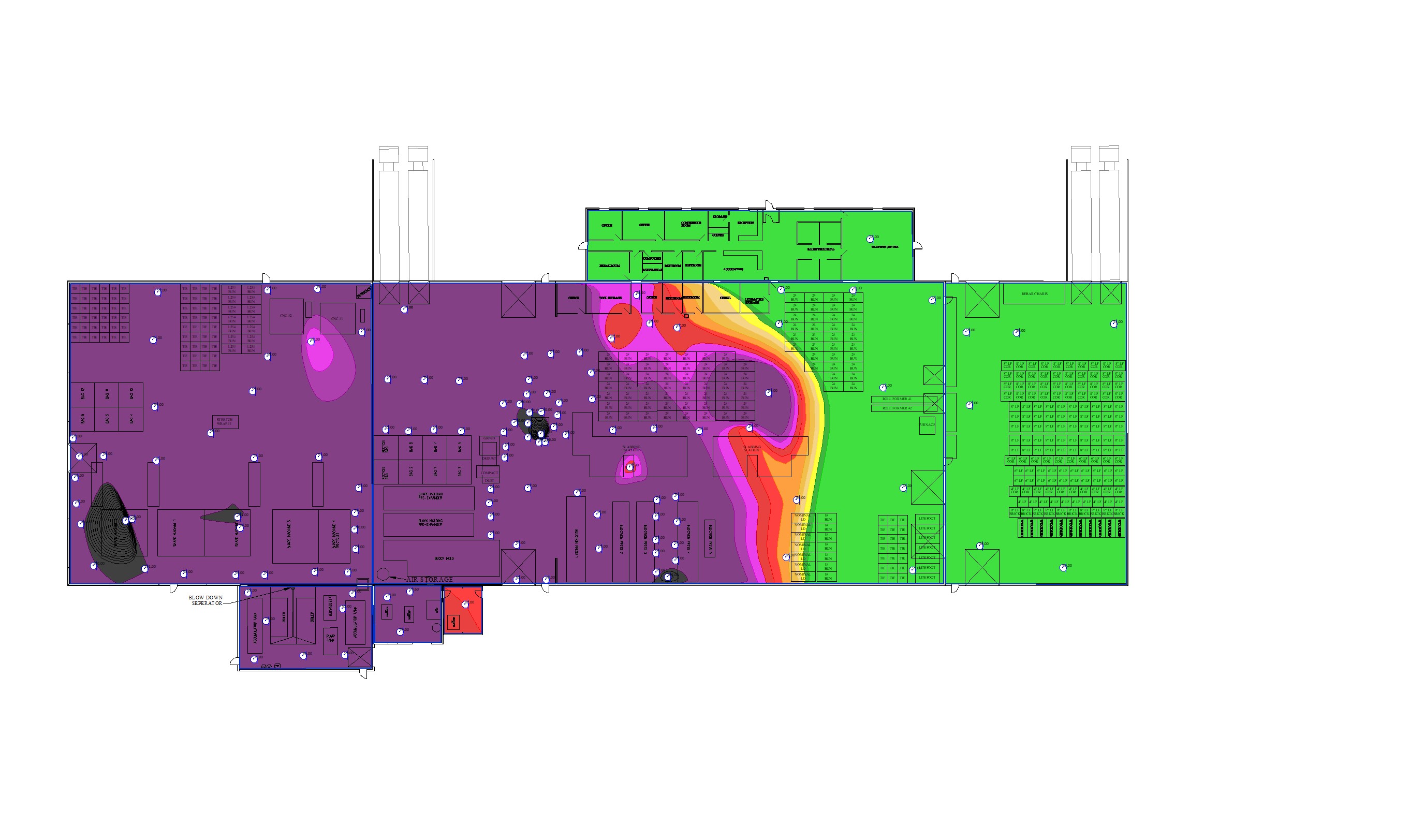
- Workplace Noise Survey – Measuring sound levels across various work areas using calibrated sound level meters and dosimeters.
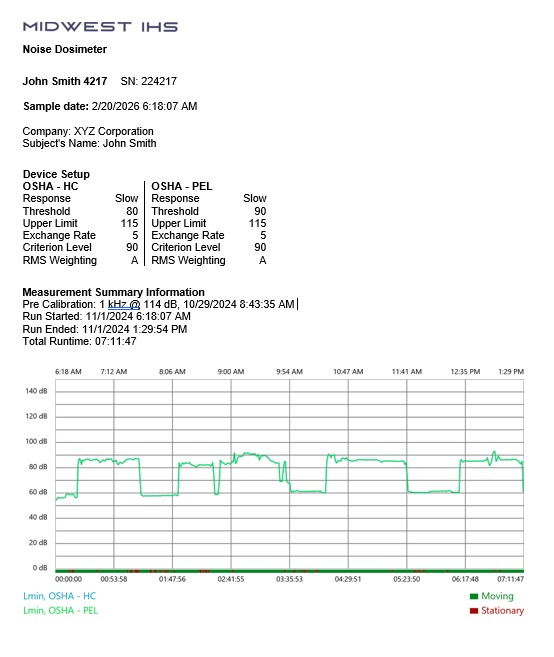
- Personal Noise Monitoring – Attaching small, wearable devices to workers to record their noise exposure throughout a shift.
- Identification of High-Noise Sources – Pinpointing machinery, equipment, and processes contributing to excessive noise.
- Comparison to Regulatory Limits – Evaluating measured levels against OSHA, MSHA, or other applicable standards.
- Hearing Conservation Program Support – Providing guidance on engineering controls, administrative controls, and hearing protection devices.
Benefits of Professional Noise Assessments
- Regulatory Compliance – Avoid OSHA/MSHA violations and ensure your workplace meets permissible noise exposure limits.
- Worker Protection – Reduce the risk of hearing loss and improve employee well-being.
- Risk Reduction – Minimize workplace accidents caused by communication difficulties or distraction.
- Data-Driven Decisions – Implement targeted noise control measures based on accurate, real-world data.
When to Schedule a Hazardous Noise Assessment
Noise assessments should be conducted:
- When new machinery or processes are introduced.
- If workers report hearing problems, ringing in the ears, or difficulty hearing.
- As part of a regular safety audit or Hearing Conservation Program.
Partner With Experienced Noise Assessment Specialists
Choosing the right provider for hazardous noise assessment services ensures accurate measurements, thorough documentation, and practical solutions. MidwestIHS uses advanced monitoring equipment and follows industry best practices to deliver results you can rely on.
Protect your workers. Protect your business. Schedule a hazardous noise assessment today to identify risks and ensure compliance with noise exposure regulations.
 Midwest IHS - Industrial Hygiene, Safety and Environmental Consulting